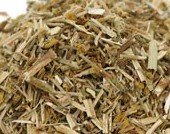
Herbs provide many things including substance to food. There are many health benefits of herbs and spices, not to mention they improve the taste of so many foods! Herbs can be perennials such as thyme or lavender, biennials such as parsley, or annuals like basil. They can be used separately to boost health or combined for more potent properties.
****We have many in stock to help with aiding in a healthy lifestyle. Please choose your option & see below what that specific herb can be used for.****
ST. JOHN'S WORT - Plant Uses: stagnant depression, nerve pain (sunburn), cold sores, liver stagnation, viruses. Plant Preparations: oil, tincture, tea. Used since ancient times in Europe and is often associated with the magical world of fairies, witches, and saints. While there are an impressive number of clinical trials focusing on using me for depression, for many herbalists is a minor herb for depression. A more thorough review shows that potency shines in many areas, including offering powerful pain relief, healing wounds, and supporting liver health. Many eclectic herbalists recommended it specifically for spinal injuries and excruciating pain. King’s American Dispensatory, published in 1898, reports that the specific indications for me are: “Spinal injuries, shocks, or concussions; throbbing of the whole body without fever; spinal irritation, eliciting tenderness and burning pain upon slight pressure; spinal injuries, and lacerated and punctured wounds of the extremities, with excruciating pain; hysteria; locally to wounds, contusions, etc”.
Pertaining to depression, herbalists are keen to recognize that herbs are best chosen for the particular person and not the disease! This is what sets us apart from the Allopathic community. Numerous clinical trials using the constituent hypericin have been done with varying results. Due to the power of the sun in it most cases of SADS and even for temporary relief of sour stomach or cabin fever it's noted to be rather effective but for a deep rooted depression, a slow acting herb in this situation. Interestingly enough, if taken consistently can decrease the chances of herpes outbreaks or shorten the duration of it. The herb and copper formula was found to be more effective with less side effects than the topical acyclovir. Herbs for the win!!! Also works for shingles!!! Use me both topically and internally to reduce the duration and relieve the pain of the outbreak. Herbalist Paul Bergner relates that it may have benefit for people with HIV: “(plants in my family's) preparations subjectively benefit most AIDS and ARC patients, even those seriously ill, without major side effects. The main effects seem to be from their antidepressant action. The reported improvement of outlook with increased energy and reduced fatigue are important improvements in the quality of life, contributing to the overall state of health and happiness. Currently available preparations do not appear to universally affect HIV or T-cell status.” Numerous in vitro and animal studies have shown that it's likely active against numerous other viruses, but more human clinical trials need to be done to fully understand its therapeutic effects. Or you can test it out yourself. SJW epatic energy speeds up the CYP450 enzyme metabolism pathways in the liver. In fact, increases the effectiveness of liver metabolism so effectively that some pharmaceuticals are cleared from the liver before they have had a chance to work. While this has been used to vilify the use of herbs and drugs at the same time, it also shows how powerful this herb is for the liver! A sluggish liver can mean that normal wastes, hormones, and lipids aren’t being properly metabolized. This can lead to hormonal imbalances (such as estrogen or cortisol excess) and impaired digestion. As a result, it is used for a variety of complaints related to estrogen excess, from PMS to PCOS. As a diuretic, it has a pronounced effect on urination. Its noted to be especially strong when taken as a tea or when taking large amounts of the tincture. The Eclectic literature often specifically recommends to someone experiencing “urinary suppression.” In addition to promoting diuresis, several texts, including Maude Grieve and Peter Holmes, mention its use specifically for children experiencing bed wetting. As a vulenary, arnica usualy gets all the attention but this is just as useful and potent. Therefore it has been used extensively as a local application to bruises, contusions, sprains, lacerations, swellings, ecchymoses, and in acute mammitis.” Has also been used for the healing of wounds and for the reduction of scars. Try it on your cesarean scar, you won’t be disappointed. There is a degree of controversy surrounding effectiveness as sunscreen. "Dehydrated skin burns, so drink that water” but there’s no harm in applying something safe to our skin but like with everything else, monitor for adverse side effects. Some studies have shown it can cause a greater hypersensitivity if over used and remember to avoid peak times of the day.
PRECAUTIONS; According to the Botanical Safety Handbook here is a list of pharmaceutical drugs that are effected by it
• Immunosuppressants
• Anticoagulants
• Antiarrhythmics
• Calcium channel blockers
• Anti-anginals
• Hormonal Contraceptives*
• Anxiolytics
• Antidepressants
• Antivirals
• Statins
• Anticancer drugs, such as chemotherapies
• Beta-adrenergic blockers
• Hypoglycemics
• Antiulcer agents
• Antifungals
• Anticonvulsants
• Skeletal muscle relaxants
• Antihistamine
This is for educational purposes only:
This information has not been evaluated by the Food and Drug Administration.
This information is not intended to diagnose, treat, cure, or prevent any disease.
Please be advised:
you should always consult with your doctor